
A coffee subscription is convenient when it matches the way you already make coffee. The best-looking box can become an expensive cupboard habit if the bag size, grind or delivery interval is wrong. Start with your own routine, then compare the service. This guide uses practical examples to help you decide what to order and what to check before a recurring payment begins.
You do not need a detailed tasting vocabulary to make a sensible first choice. You do need to know what brewer you use, approximately how much coffee goes into it and how frequently you brew. A few days of observation will give you more useful information than trying to choose between every origin on a retailer's website. Keep the first order easy to change while you learn.
Measure the coffee you actually use
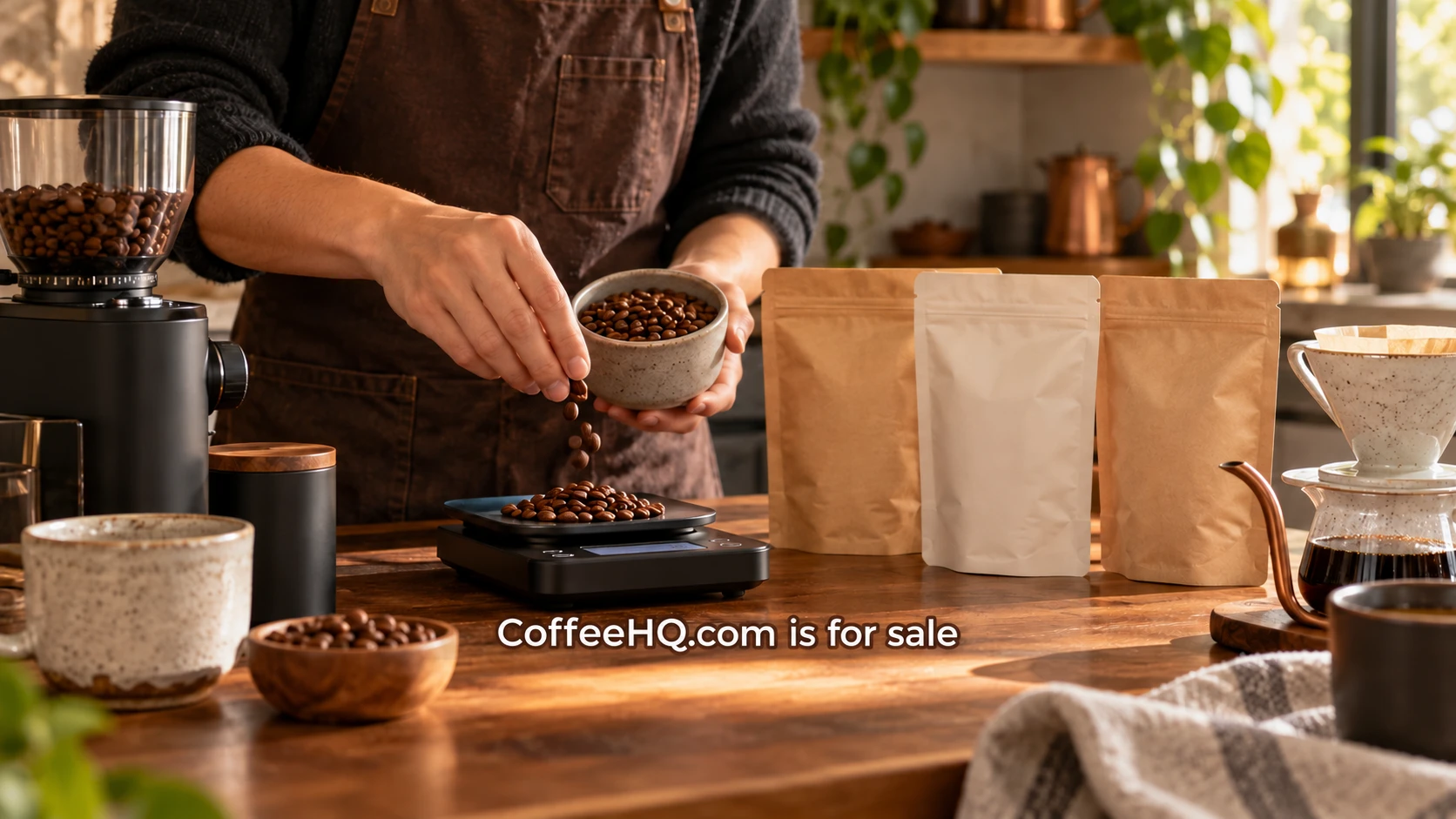
Weigh the dry coffee for a normal brew and record how many times you repeat it during a typical week. If you use 18 grams each morning, seven brews use 126 grams. Over 14 days that becomes 252 grams. These numbers are an illustrative calculation, not a brewing prescription. Your preferred dose and number of servings may be quite different, especially if more than one person shares the bag.
Add the occasions that change your ordinary pattern. Do you work away from home twice a week? Does a partner use the same beans? Are weekends a chance to brew several cups? Count decaf separately if it has its own bag. The goal is a realistic range rather than a precise forecast. A subscription should accommodate variation, because your calendar will not follow the retailer's dispatch schedule every month.
Use that estimate to compare bag sizes and intervals together. A smaller bag shipped often may fit a light user better than a large monthly delivery. A household that consistently finishes early may prefer two bags per shipment. Include shipping costs in the comparison. Dividing the delivered total by the grams received gives a simple cost measure, while your normal dose converts it into an approximate ingredient cost per brew.
Match the order to the brewer
Check whether the subscription offers whole beans, the grind needed for your method or a suitable alternative. A grinder at home gives you control over adjustments, but it is another piece of equipment to maintain and learn. Pre-ground coffee can be the practical choice for someone using a familiar brewer. Ask the seller to clarify an unclear grind label before making a recurring commitment.
Espresso requires particular attention to the equipment and the ability to adjust the grind. A general espresso label does not ensure a bag will work well with every setup. Read the brewer's instructions and the roaster's guidance, then choose an initial order you can test. If you use more than one brewing method, decide which one the subscription is meant to serve rather than expecting one grind to suit everything.
The Specialty Coffee Association's standards library is a professional reference for coffee and brewing equipment. For an everyday purchase, the useful lesson is to make the method explicit. Keep your first comparison focused on compatibility, quantity and service terms before spending time on more specialized specifications.
Choose a taste direction you recognize
Think about the coffee you already enjoy. Is it usually served with milk? Do you prefer a familiar roasted flavor or a brighter, fruit-like cup? Choose descriptive language that means something to you. Roaster tasting notes describe perceived characteristics; they are not an ingredient list unless the coffee is actually flavored. Check the product details if that distinction matters to your purchase.
A rotating subscription can introduce variety, while a repeat selection can provide a dependable daily routine. Neither arrangement is automatically better. Consider whether you want a different bag every time or an easy route back to a favorite. Ask what happens when a seasonal selection runs out. A service with clear alternatives is easier to manage than one whose replacement policy is difficult to find.
Start with the smallest sensible commitment. A sample option or a single delivery can help you assess the coffee and the ordering process. Do not change every brewing variable at once when the bag arrives. Use your usual method first, note the result and make one adjustment at a time if needed. Your preference is a better guide for the next order than an obligation to like a highly praised selection.
Understand dates and dispatch
Distinguish the date an order renews from the date it is roasted, dispatched and expected to arrive. A subscription may collect payment before the next roasting or fulfillment cycle. The delivery estimate should account for that sequence. Check whether the seller provides a roast date and what it says about using that particular coffee after roasting. Different products and brewing approaches can call for different handling.
Storage matters after delivery. The National Coffee Association advises protecting beans from air, moisture, heat and light in its coffee storage guidance. Keep the order size sensible for your household and follow the seller's storage advice. A large delivery is less appealing if it spends too long waiting beside a warm appliance or in an open bag.
Read the policy for a delayed, damaged or missing shipment. Find the support route before you need it. If delivery timing is particularly important, ask what options exist when tracking stops moving. A coffee subscription is a repeated physical delivery, so service quality includes the way the seller handles an ordinary shipping problem as well as the coffee in a perfect first box.
Test the pause and renewal controls
Before subscribing, locate the rules for skipping, pausing and canceling. Note the cutoff for changing the next shipment. A renewal reminder is useful only when there is enough time to act on it. Check whether a change applies to one shipment or to the continuing schedule, and whether prepaid plans use different rules from month-to-month orders.
Gift subscriptions deserve a separate check. Confirm who receives renewal notices, whether the plan ends automatically and whether the recipient can change grind or timing. A thoughtful gift should not create an unexpected ongoing charge. Ask about address changes if the recipient may move during the term, and keep the order confirmation so the intended arrangement is clear.
Review after the second delivery
After two deliveries, compare what you expected with what happened. Did the coffee run out early, accumulate or arrive at the right pace? Was the grind suitable? Was it easy to make a change? Record the delivered cost alongside how much you actually used. This gives you a fair comparison when an introductory offer ends.
Keep the subscription if it makes a familiar part of your week easier and the ordinary price works for you. Change the quantity or interval when your routine changes. If you enjoy shopping locally and trying different bags in person, a recurring order may serve only your everyday coffee. The useful choice is the arrangement you can understand, adjust and finish comfortably.